Fine Pewter.
Once affectionately called "the silver of the common man", pewter is making a brilliant comeback — particularly in the world of fine dining, where hand-cast pewter tableware provides the stage for refined cuisine. Here you will find the essential information on the origins, history and uses of this fascinating metal.
A metal with thousands of years of history.
Bronze finds of the Kura-Araxes culture show that this material was already being worked as early as 3,500 BC. Pewter is therefore one of the oldest consciously used metals in human history — and has lost none of its fascination to this day.
- 3500 BC
- Earliest bronze finds of the Kura-Araxes culture
- Sn
- Chemical symbol, derived from the Latin stannum
- 95%
- Tin content of the largest organ pipe — Sydney Opera House
From the Bronze Age to fine dining.
Further finds in the Taurus Mountains of Turkey confirm verifiable tin deposits dating back at least 3,000 BC. Tin objects were also discovered in tombs of Egypt's 18th Dynasty — dated to around 1,500 BC — and it is known that tin was already being worked in China at the same period.
During the Bronze Age the material grew in importance: alloys of bronze — composed of tin and copper — opened up numerous new uses. The Roman writer Pliny already distinguished between plumbum album (tin) and plumbum niger (lead). The later Latin name stannum still furnishes the chemical symbol Sn today.
It is also noteworthy that in alchemy the metal tin was assigned to the planet Jupiter — a sign of the esteem this material enjoyed over centuries. In the early industrial age, tin gained great importance in the production of tinplate.
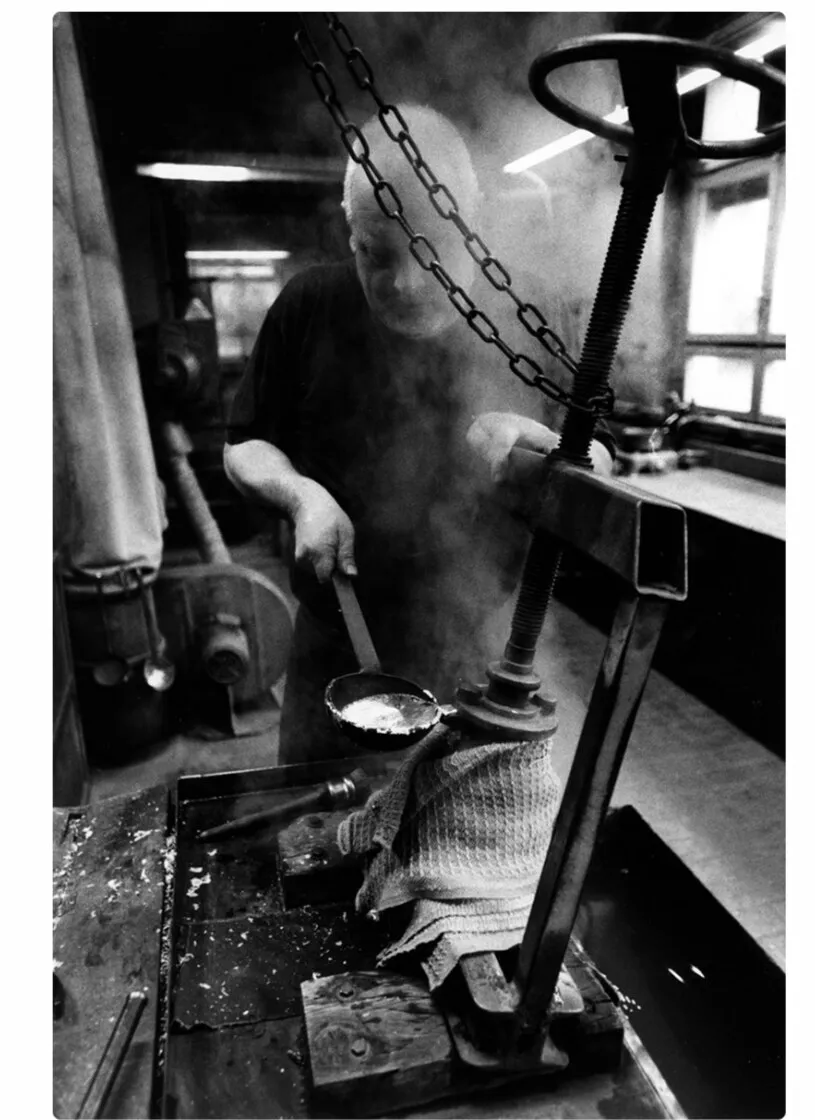
Working the pewter.
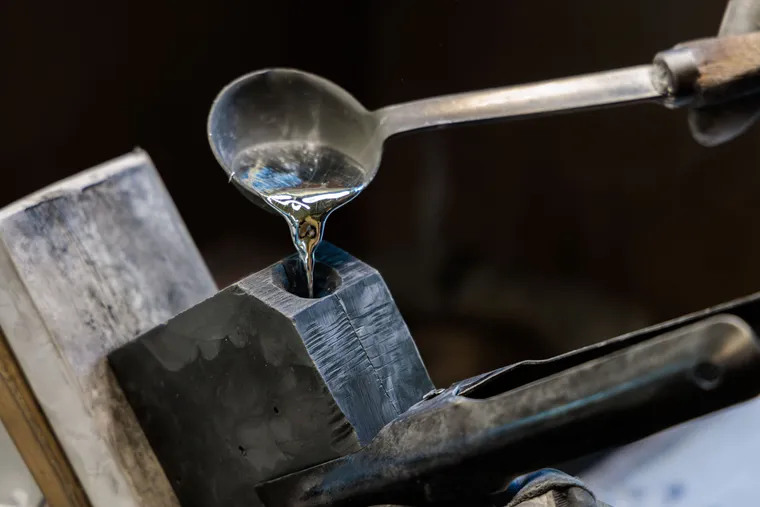
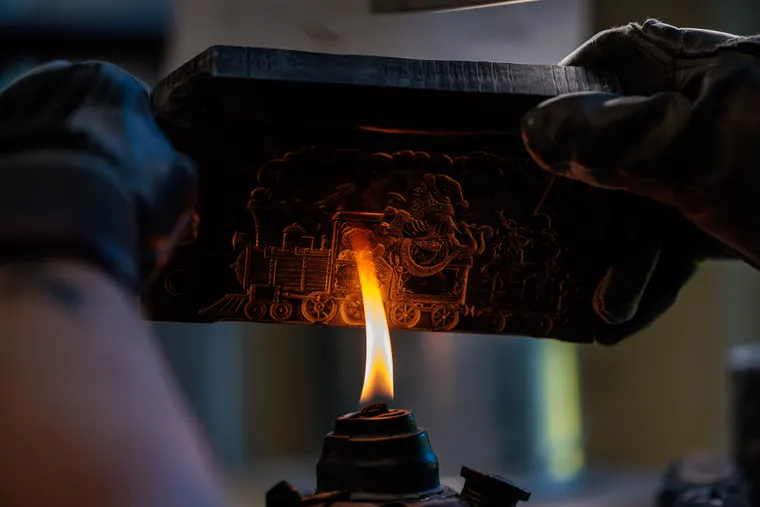
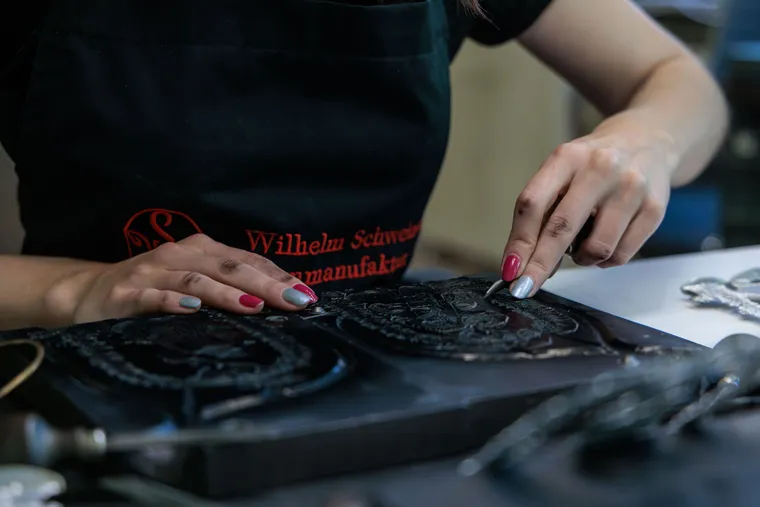
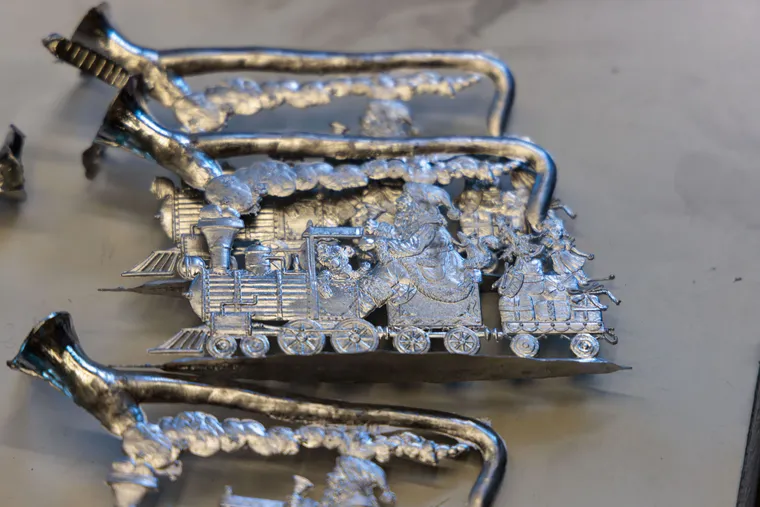
Pressed, spun, or cast? Pewter can be shaped in various ways. The metal is highly malleable and can be rolled into foil — the term Stanniol derives from stannum, the Latin word for tin. Pressed pewterware is produced from sheet tin at lower cost; the difference from the more valuable cast pewter is recognisable: reliefs and decorations on pressed pieces are hollow on the reverse, the pieces are lighter, the metal thinner. In the spinning process, sheet tin is pressed over a wooden former.
The most demanding technique is casting. The master craftsman produces a mould of steel or cast iron from plaster or clay models — for hollow vessels, this consists of a core and a jacket. Casting moulds are the precious working capital of a pewter workshop. Handcrafted cast pewter is recognisable by handles, lid hinges, and grips that are continuously soldered on; when struck, it produces a bright, bell-clear tone, while pressed pieces ring hollow and tinny. The oldest, most elaborate method is sand casting: a mould is built in fine specialised sand and destroyed when the piece is released — giving each piece the appeal of uniqueness.
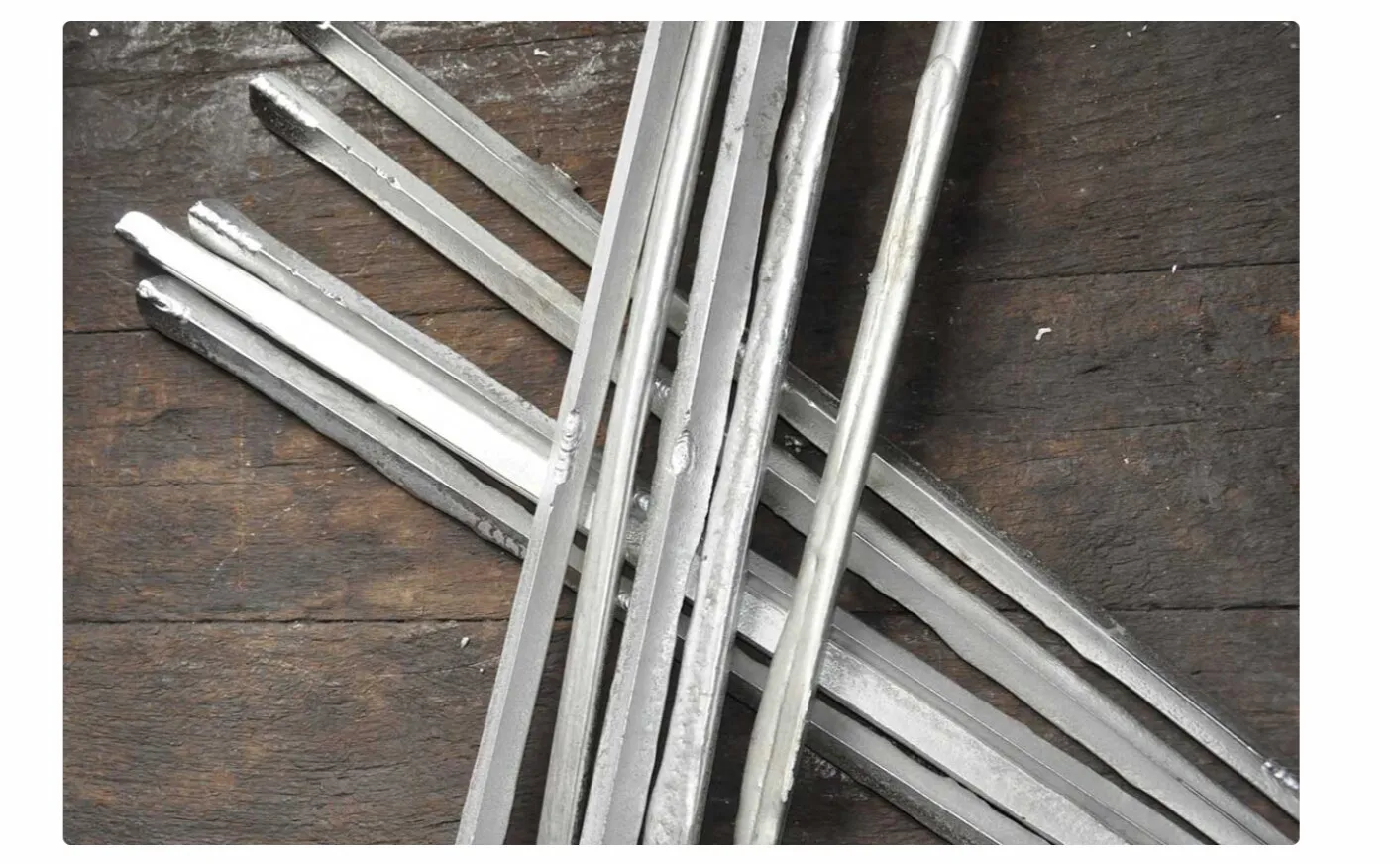
Pewter in use.
Pewter is not only an ornament for table and room, but also exceedingly well-suited for everyday use. Thanks to an alloy free of lead, it forms no harmful compounds with food or drink — tableware and drinking vessels can be used without concern, and flavours remain entirely unaffected. The low thermal conductivity of pewter means that contents stay cool for a particularly long time. Because of the low melting point, pewter vessels should not be placed on hot plates or open flames; and since pewter is a soft metal, pieces should be protected from hard knocks.
Text and images courtesy of Rapold-Zinn, Zürich.
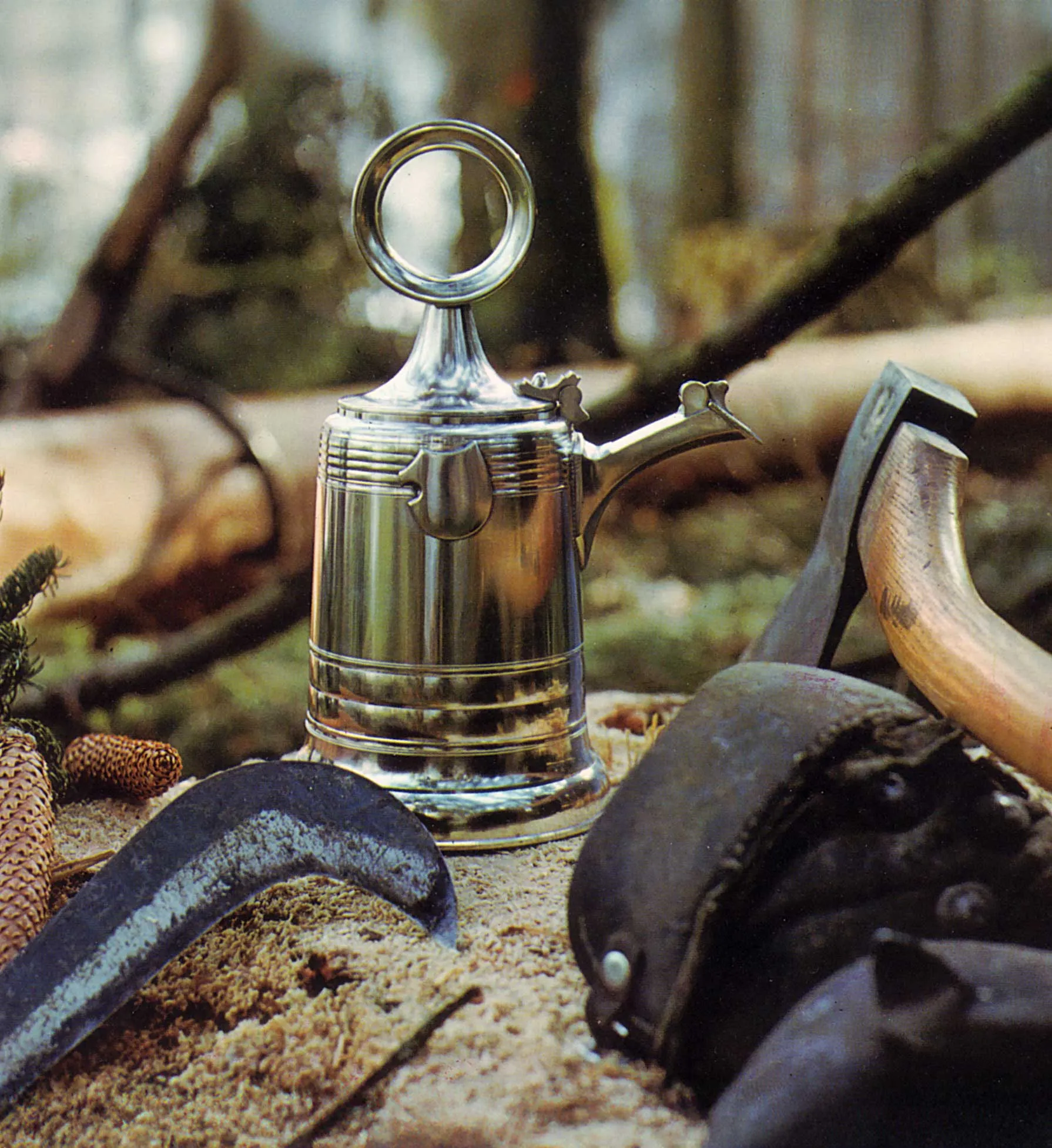
Mirror-polished pewter tableware provides the gleaming setting for refined cuisine.
Versatile. Food-safe. Sustainable.
Products made from or incorporating pewter are found across many industries — from food manufacturing and fine dining to sacred music.
- 01 Food Industry
Thanks to its proven food safety, tin is used in the manufacture of canned goods — the inner walls of cans, which come into direct contact with food, are coated with a high-grade tin alloy.
- 02 Hospitality
Tin-lined copper pans and pots are indispensable in professional restaurant kitchens: the tin lining protects food from any flavour-altering reaction with the copper. In fine dining, mirror-polished pewter tableware is now setting new standards.
- 03 Churches & Concert Halls
Thanks to its outstanding acoustic properties, tin has been used for centuries in organ pipes and church bells. The most celebrated large organ pipe — made for the Sydney Opera House — consists of 95% tin.
- 04 Renaissance & Sustainability
Driven by growing environmental awareness, pewter is enjoying a well-deserved renaissance: it can be worked and processed without environmental impact, reclaimed without residue, and retains the temperature of food exceptionally well — a material with a future.
Pewter in expert hands.
Our member workshops have been casting, forming and finishing pewter for generations — from traditional tableware to bespoke individual pieces for fine dining.